Security Remapping
The Security Remapping worker corrects security symbology inside an Everysk portfolio using a datastore that maps old symbols to the correct Everysk standard. After a successful execution, it returns a remapped portfolio to the workflow.
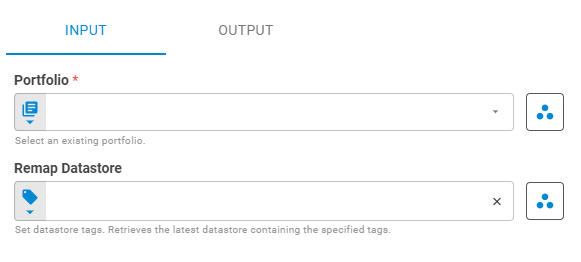
Parameters
Input
| Field | Description |
|---|---|
| Portfolio | The portfolio whose securities will be remapped. Accepts Fixed Portfolio, Get Latest or Upstream Data |
| Remapping Datastore | The datastore containing the symbol mapping, identified by tags. Accepts Fixed Tags or Upstream Data |
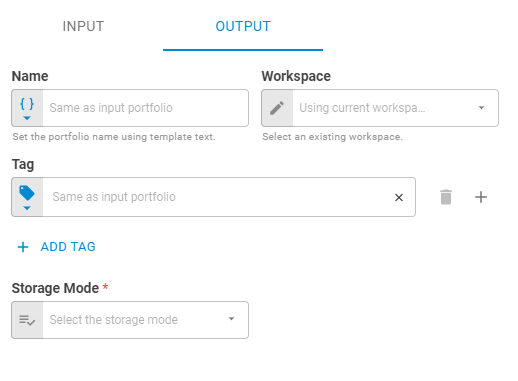
Output
| Field | Description |
|---|---|
| Name | Name of the remapped portfolio. Accepts Template Text or Upstream Data. Default is Same as input portfolio |
| Workspace | Workspace where the remapped portfolio will be saved. Accepts Fixed Workspace. Default is Using current workspace |
| Date | Date of the remapped portfolio. Accepts Fixed Date or Upstream Data. Default is Same as input portfolio |
| Net Liquidating Value (NLV) | NLV of the remapped portfolio. Accepts Number or Upstream Data. Default is Same as input portfolio |
| Base Currency | Base currency of the remapped portfolio. Accepts Fixed Select or Upstream Data. Default is Same as input portfolio |
| Link UID | Link UID of the remapped portfolio. Accepts Template Text. Default is Same as input portfolio |
| Tags | Tags for the remapped portfolio. Accepts Fixed Tags or Upstream Data. Default is Same as input portfolio |
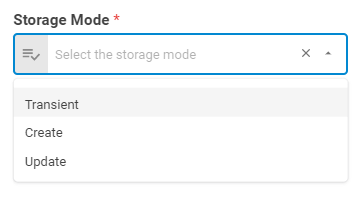
| Storage Mode | Whether the result portfolio is saved to the platform or kept transient. Accepts Fixed Select. Options: Transient, Create, Update. Default is Create |
Result
Once the worker finishes successfully, it returns the remapped portfolio.
- Portfolio (portfolio)
- ID (string)
- Name (string)
- Tags (list of strings)
- Date (date)
- Base Currency (string)
- NLV (number)
- Securities (list)
- ID (string)
- Status (string)
- Instrument Class (string)
- Symbol (string)
- Label (string)
- Quantity (number)